5 Best Keyboard Instruments for Beginners (UK 2026 Review)
✓ Reviewed by the IDEAL PICKS Team
Best Keyboard Instruments for Beginners to Learn and Practise at Home
Learning to play the keyboard is much easier when your instrument has the right features. Too few keys can limit what you practise, while complicated controls and poor-quality sounds can make even simple songs frustrating. You don’t need an expensive digital piano to get started, but choosing a keyboard with a comfortable key action, useful learning features and decent sound will help you make progress. We’ve taken a closer look at some of the best keyboard instruments for beginners, comparing their features, ease of use and value for money to help you find the right one.
Quick PickS



 01
01
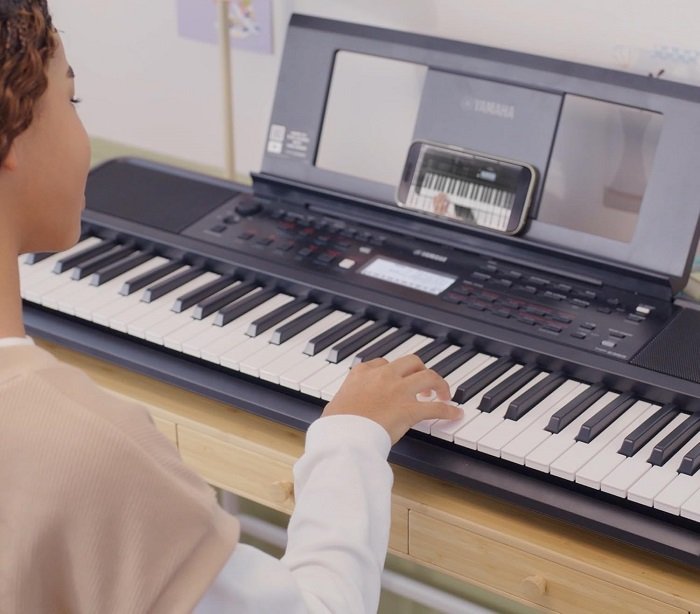
The Yamaha PSR-E383 is a strong starting point for anyone keen to learn proper keyboard technique. Its touch-sensitive keys let you practise playing softly and loudly, so even simple melodies feel more expressive. Built-in lessons help you progress from finding notes to playing with both hands, while accompaniment styles make solo practice more engaging. It's a keyboard with plenty to explore as your confidence grows.
Pros
- Touch response develops control over volume
- Keys to Success exercises break practice into steps
- Smart Chord simplifies playing along with backing styles
- Wide selection of instrument sounds encourages exploration
- Online Yamaha teacher lessons provide extra guidance
02
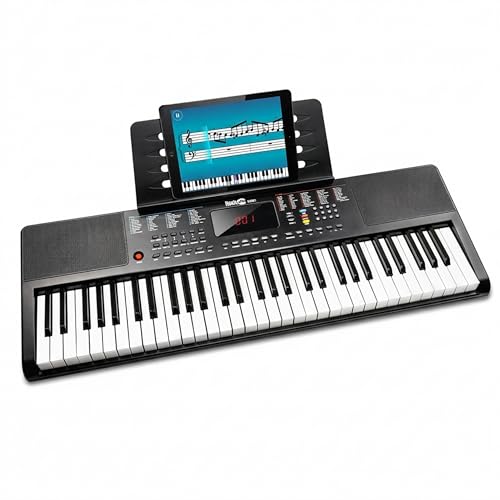
The RockJam 61-key Piano Kit brings together the instrument and the furniture you need for regular practice. With a stand, bench and headphones in the box, it's easy to settle into a comfortable routine at home. The range of sounds and rhythms keeps early sessions interesting, while pitch bend adds a playful way to experiment with musical expression once you've learnt a few tunes.
Pros
- Adjustable stand helps establish a comfortable setup
- Matching bench means no separate seat is needed
- Headphones allow practice without using the speakers
- Key stickers help identify unfamiliar notes
- USB and auxiliary inputs expand play-along options
03
The RockJam RJ361 offers a low-cost introduction to playing a keyboard at home. Its compact design is handy when space is limited, and the supplied stand gives it a dedicated place for practice. Beginners can explore familiar melodies with different instrument sounds and backing rhythms, while the included note stickers help them find their way around the keys during their first few lessons.
Pros
- Lowest price among these five at the latest product check
- Easy to store when practice is finished
- Supplied power adaptor supports everyday home use
- Demo songs give learners familiar material to follow
- Headphone connection makes quieter sessions possible
04
The Alesis Melody 61 is built around making those first weeks of learning easier to organise. The supplied stand, bench and headphones mean you can set up a practice spot without shopping for extras. Demo songs and rhythms provide material for improving your timing, while the metronome helps you keep a steady beat. Online learning resources also provide structure between lessons with a teacher.
Pros
- Included accessories create a ready-to-use practice station
- Headphones make it easier to play in a shared household
- USB-MIDI connection supports compatible learning software
- Choice of sounds keeps simple exercises interesting
- Skoove and Melodics resources offer guided exercises
05
The Casio CT-S100AD works especially well for beginners who need to put their keyboard away after practice or carry it between rooms. A built-in handle makes moving it straightforward, and battery operation allows you to play away from a plug socket. The simple controls keep the focus on practising scales, chords and songs, while the included mains adaptor is useful for daily sessions at home.
Pros
- Six AA batteries allow practice away from mains power
- Built-in handle is convenient for carrying
- USB host port connects to compatible computers
- Headphone socket supports private playing
- Rhythm Warriors lessons add another learning option
Buying Guide & FAQ
How to Choose a Keyboard for Beginners
Choose the Right Number of Keys
Keyboards come in different sizes, and the number of keys affects what you can play.
- 61 keys: A practical starting point for most beginners, offering enough range for many popular songs and early lessons.
-
76 keys: Provides extra range without taking up as much room as a full-size piano.
-
88 keys: The standard piano range and a good choice if you're planning to follow traditional piano lessons.
Check the Learning Features
Built-in learning tools can make practising more enjoyable, particularly if you're learning without regular lessons.
Useful features include:
-
Metronome: Helps you develop steady timing and rhythm.
-
Lesson modes: Guide you through simple songs and exercises.
-
Split keyboard: Allows a teacher and student to play in the same pitch range on compatible models.
-
Headphone socket: Lets you practise without disturbing others.
-
USB MIDI connection: Allows you to use compatible music-learning software or recording applications.
Light-up keys can help beginners locate notes, but learning to recognise notes independently is more valuable in the long run.
Consider Sound Quality and Polyphony
A keyboard should produce clear, pleasant sounds that make you want to keep practising.
Pay attention to the acoustic piano sound, as you'll probably use it frequently. Built-in speakers should be clear enough for home practice without excessive distortion.
Polyphony refers to how many notes the instrument can produce simultaneously. Higher polyphony is useful when playing chords, layered sounds or using the sustain pedal.
Tips for Beginners: How to Learn Keyboard Faster
Once you've got your keyboard set up, focus on developing good habits rather than trying to play complicated songs immediately.
-
Learn the notes first: Find middle C and practise identifying the white and black keys until you can locate notes without hesitation.
-
Use the correct finger positions: Keep your hands relaxed and fingers gently curved. Avoid playing every note with just one or two fingers.
-
Practise with both hands: Start with simple melodies in your right hand, then introduce basic left-hand chords.
-
Learn basic chords: C major, G major, F major and A minor are useful starting points for many popular songs.
-
Practise slowly: Play accurately at a comfortable speed before increasing the tempo. A metronome can help.
-
Keep sessions manageable: Aim for 15–20 minutes of focused practice most days rather than one long session each week.
-
Learn songs you enjoy: Mixing simple exercises with familiar music can make practising more rewarding.
What's the Difference Between a Keyboard and a Digital Piano?
An electronic keyboard typically offers multiple instrument sounds, automatic accompaniment rhythms and learning features. It's often lighter and more portable. A digital piano focuses on recreating the sound and feel of an acoustic piano, usually with 88 weighted keys and a more realistic playing response.
How Much Should a Beginner Spend on a Keyboard?
Around £50–£200 is a reasonable starting budget for a beginner keyboard with useful learning features, although prices vary. If you're looking for an 88-key digital piano with weighted keys, expect to spend more.
🏆 Our Top 3 Picks