5 Best Mouthwashes for Gum Disease (UK 2026)
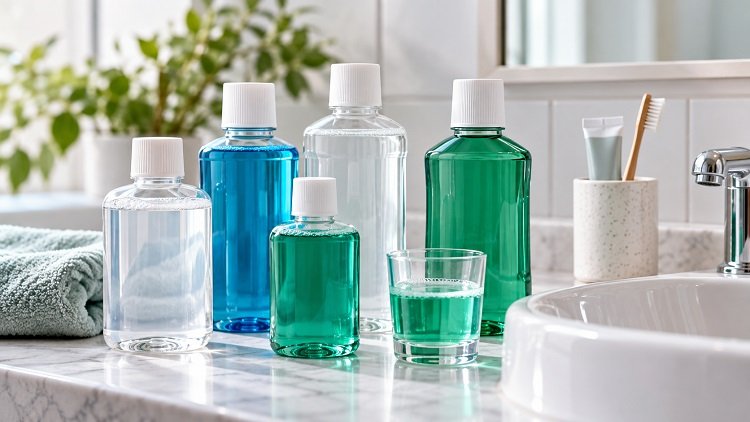
Targeted rinses for bleeding gums, gingivitis and everyday gum care
Bleeding or inflamed gums can call for very different types of mouthwash. Some formulas are intended for short-term treatment, while others fit better into everyday plaque control and gum care. We compared five UK options with distinct roles, including chlorhexidine, fluoride, hydrogen peroxide and hyaluronic acid. Mouthwash should complement brushing and interdental cleaning, not replace them, and persistent gum symptoms deserve professional assessment.
The 5 Best Mouthwashes for Gum Disease

A medicated chlorhexidine rinse for treating the early signs of gum disease.
Specifications
| Active ingredient | Chlorhexidine digluconate |
| Primary use | Early signs of gum disease |
| Treatment focus | Gingivitis and gum problems |
| Flavour | Original |
| Product type | Medicinal mouthwash |
Corsodyl Original takes the top spot because its role is clear: it is a medicinal mouthwash containing chlorhexidine digluconate for early gum-disease symptoms. That makes it a stronger fit for treatment-focused use than a routine freshening rinse. Follow the label directions rather than treating it as an everyday mouthwash indefinitely.
- Purpose-built for early gum-disease symptoms
- Treatment-focused rather than cosmetic
- Useful when plaque-related gum problems need targeted care
- Straightforward role makes it easy to choose appropriately
- Widely recognised gum-care option in the UK
- Chlorhexidine treatment needs to be used according to the label rather than as an unrestricted daily rinse.

A treatment-focused option for shoppers who prefer Listerine’s approach to gum care.
Specifications
| Primary use | Gum disease and gingivitis |
| Treatment focus | Plaque bacteria |
| Brand range | Advanced Defence |
| Product type | Treatment mouthwash |
| Use case | Bleeding-gum and gingivitis care |
Listerine Advanced Defence is another treatment-led choice rather than a basic breath-freshening mouthwash. Its larger bottle and specific focus on gum disease make it a practical alternative to Corsodyl for buyers comparing dedicated gingivitis products. The manufacturer positions it for treating gum disease and helping prevent recurrence when used as directed.
- Dedicated gum-treatment positioning
- Targets plaque bacteria linked with gum problems
- Larger format suits a treatment routine
- Clear alternative to chlorhexidine-led choices
- Easy to distinguish from standard cosmetic mouthwashes
- Its stronger treatment positioning may be unnecessary if you only want a gentle everyday maintenance rinse.

A daily fluoride rinse for ongoing gum care rather than short-term medicated treatment.
Specifications
| Formula | Fluoride mouthwash |
| Alcohol | Alcohol free |
| Primary use | Everyday gum health |
| Plaque focus | Hard-to-reach areas |
| Bottle size | 500 ml |
Corsodyl Daily Active is the better match when the goal is ongoing gum care rather than a short course of medicated treatment. Its fluoride formula is designed to complement daily brushing while targeting plaque in areas a toothbrush may miss. It is therefore easier to fit into a regular oral-hygiene routine.
- Designed specifically for routine use
- Complements brushing in hard-to-reach areas
- Useful step down from treatment-focused rinses
- Milder role suits long-term oral-care routines
- Good fit for shoppers prioritising prevention and maintenance
- It is intended for daily gum care, so it should not be confused with a medicated treatment for active gum disease.

An oxygenating rinse aimed at minor mouth and gum irritation rather than conventional daily plaque control.
Specifications
| Active formula | 1.5% hydrogen peroxide |
| Alcohol | Alcohol free |
| Primary use | Minor mouth and gum irritation |
| Bottle size | 300 ml |
| Product type | Antiseptic mouthwash |
Colgate Peroxyl differs from the chlorhexidine and fluoride options by using a hydrogen-peroxide formula with an oxygenating cleansing action. Its main appeal is for minor mouth and gum irritation, making it a more specialised choice when cleansing and short-term comfort are higher priorities than routine plaque control.
- Distinct alternative to chlorhexidine formulas
- Useful when minor irritation is the main concern
- Oxygenating action gives it a clearly defined role
- Antiseptic format suits short-term targeted use
- Good option for buyers wanting a different active formula
- Its specialist irritation-focused role makes it less suitable as an all-purpose everyday gum-care mouthwash.

A specialist hyaluronic-acid rinse for sensitive or irritated gums where comfort is the priority.
Specifications
| Key ingredient | Hyaluronic acid |
| Primary use | Gum-tissue comfort |
| Bottle size | 150 ml |
| Product type | Specialist gum mouthwash |
| Target area | Sensitive or irritated gums |
Gengigel takes a different route from conventional plaque-control mouthwashes, centring its formula on hyaluronic acid and gum-tissue comfort. It is most relevant for buyers whose main concern is soothing sensitive or irritated gums. The smaller bottle and specialist positioning also make it a more considered purchase than a routine family mouthwash.
- Specialist option for sensitive-feeling gums
- Different approach from standard plaque-control rinses
- Useful when comfort matters more than strong flavour
- Focused formula avoids trying to cover every oral-care need
- Compact bottle is convenient for targeted use
- The 150 ml bottle is considerably smaller than most alternatives in this roundup.
Buyer’s Guide: How to Choose a Mouthwash for Gum Disease
Start with the reason you are buying. A medicated rinse may be intended for a defined treatment period, while a daily mouthwash is designed to support an ongoing oral-care routine.
Chlorhexidine, fluoride, hydrogen peroxide and hyaluronic acid have different roles. Compare the active formula and intended use rather than assuming the strongest-sounding ingredient is automatically best.
A rinse can complement your routine, but brushing and interdental cleaning remain the main ways to physically remove plaque. Mouthwash should sit alongside those habits, not replace them.
Alcohol-free mouthwashes may feel more comfortable for some users, but alcohol content alone does not determine whether a rinse is suitable for gum problems. Intended use matters more.
A larger bottle can offer better value for regular use, while smaller specialist products may serve a more targeted purpose. Compare size in the context of how often and why you will use the rinse.
Persistent bleeding, swelling, pain, gum recession, bad breath or loose teeth deserves professional assessment. Repeatedly changing mouthwash should not delay a dental examination.
Choosing a mouthwash for gum problems is less about finding the strongest formula and more about matching the rinse to what you actually need. Treatment products, everyday rinses and specialist formulas serve different purposes. If you are also reviewing the basics of your routine, our guide to electric toothbrushes for beginners explains useful features such as pressure guidance and timers.
Choose a rinse for its intended role. A medicated treatment mouthwash and a daily gum-care rinse are designed for different situations, so follow the label and seek dental advice for persistent symptoms.
What is the best mouthwash for gum disease?
For a treatment-focused option, Corsodyl Original is our Best Overall pick because it contains chlorhexidine digluconate and is specifically positioned for the early signs of gum disease. The right choice still depends on your symptoms and the product directions.
Can mouthwash cure gum disease by itself?
No. Mouthwash can support gum care, but it does not replace brushing, interdental cleaning or professional dental treatment where needed. Persistent bleeding, swelling or other gum symptoms should be assessed by a dental professional.
Can I use a medicated mouthwash every day?
That depends on the product. Medicated rinses can have specific directions and treatment periods, so follow the label rather than assuming they are suitable for unrestricted long-term use.
Is an alcohol-free mouthwash better for gums?
Not automatically. An alcohol-free formula may feel more comfortable for some people, but the active ingredients and intended use are more important when choosing a rinse for gum care.
Should I use mouthwash before or after brushing?
Follow the directions on the specific mouthwash and your dentist’s advice. Different products can have different instructions, so avoid assuming that one timing rule applies to every formula.